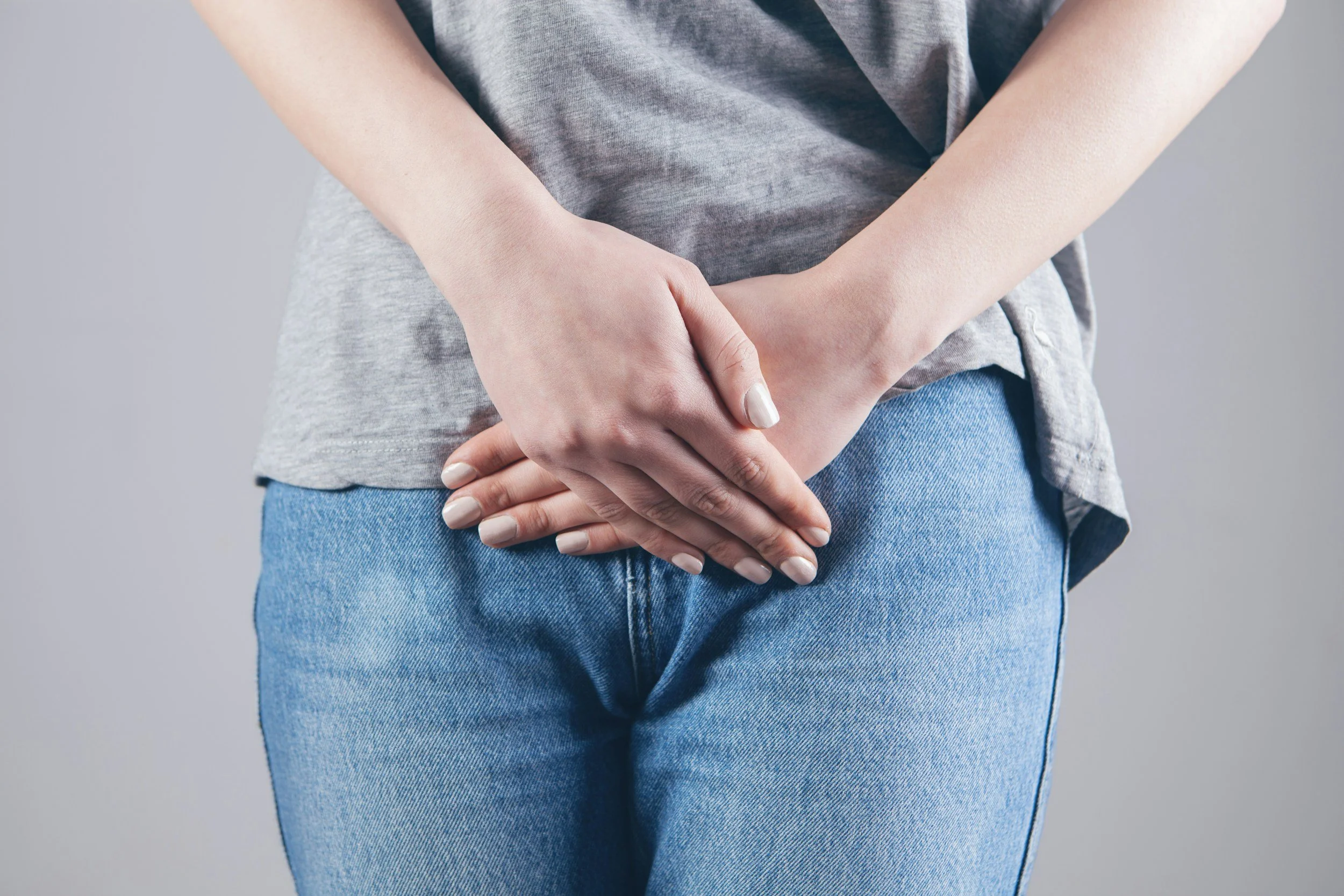

What You Need to Know About Pelvic Floor Health

Everyone has a pelvic floor. Most of us just don’t think about it… until something isn’t working.
Pelvic floor dysfunction can show up as:
Bloating that won’t budge.
Constipation.
Low back pain.
Leaking when you sneeze, cough, or exercise.
Urinary urgency or incomplete emptying.
These symptoms are incredibly common, and very often they’re connected to a part of the body that gets overlooked, the pelvic floor.
What Is the Pelvic Floor, Really?
The pelvic floor is a group of muscles that sit at the base of your pelvis. Think of it as a supportive hammock that holds your bladder, bowel, and reproductive organs in place. It helps to support bowel movements, urination, organs, and plays a role in sexual function.
But here’s the part most people miss: the pelvic floor does not work in isolation.
It’s part of a pressure system that includes:
Your diaphragm
Your deep core muscles
Your abdominal wall
Your gut
When this system works together, your body can eliminate waste efficiently, maintain posture, pain, move and breathe with ease.
When it doesn’t, the symptoms listed above can show up.
The Gut-Pelvic Floor Connection
If you’re dealing with bloating, constipation, or digestive discomfort, the pelvic floor is often involved. Here’s why:
Chronic constipation can cause the pelvic floor to over tighten or lose coordination. A tight or dysfunctional pelvic floor can make it harder to fully evacuate stool.
Incomplete bowel movements increase bloating and indigestion. Over time, this creates a feedback loop that keeps digestion sluggish.
Stress, Breathing, and Chronic Tension
One of the biggest drivers of pelvic floor dysfunction is chronic stress. Over time with chronic stress breathing becomes shallow and the diaphragm stops moving fully. This causes the pelvic floor to stay clenched and the muscles lose their ability to lengthen and relax.
Healthy pelvic floor function depends on breath, an intentional 360° breath. When we breathe fully the diaphragm descends and the pelvic floor gently lengthens and responds.
Learning how to breathe into the rib cage, belly, and back body is one of the most effective ways to restore pelvic floor function and calm the nervous system at the same time.
Retraining the System
Pelvic floor health is not about doing more. It’s about retraining patterns your body has been stuck in. Supportive practices often include:
Intentional, slow movement
360° breathing and diaphragm awareness
Releasing chronic tension in the hips, jaw, and abdomen
Nervous system regulation to shift out of constant stress mode
Learning when to relax, not just strengthen
When the pelvic floor can both contract and fully relax symptoms like bloating, constipation, leaking, and pressure often improve.
If you have been dealing with chronic digestive or urinary symptoms and want to take a 360º approach to your health, this is the work we do in our 1:1 Functional C.A.R.E Method™. We will address the whole body tip to tail, including the pelvic floor.