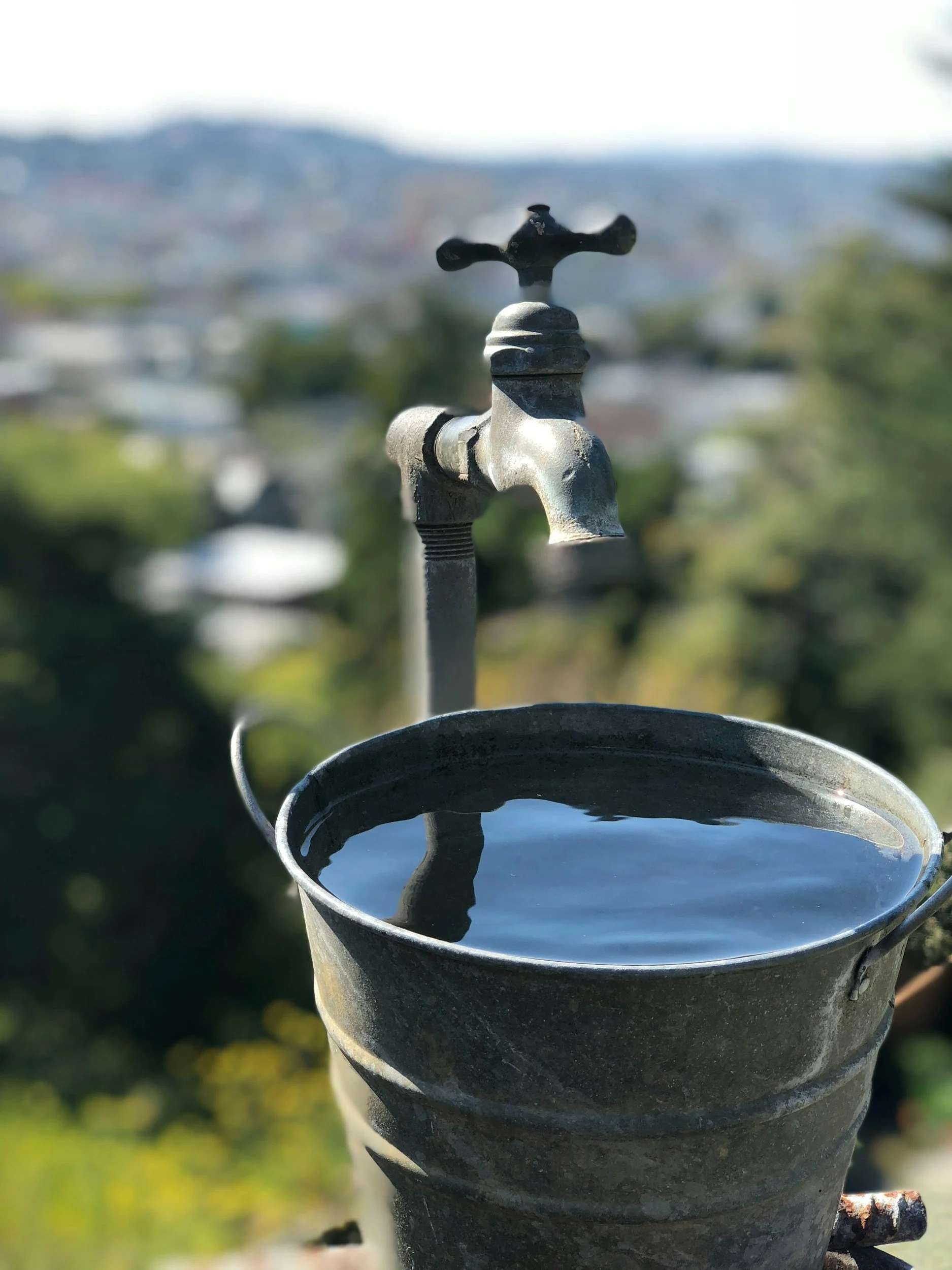

The Histamine Bucket

Histamine is a normal and necessary compound in the body. It plays a role in digestion, immune response, and nervous system signaling. The problem is not histamine itself. The problem happens when your body can no longer clear it efficiently.
This is where the histamine “bucket” analogy comes in.
Think of histamine like water filling a bucket.
Every day your bucket fills from:
Foods
Stress
Infections
Hormone shifts
Environmental triggers
Gut bacteria
At the same time, your body is supposed to drain the bucket through specific clearance pathways. Some people produce more histamine, some having trouble clearing it, and some people experience both. When the bucket fills faster than your body can drain it, it overflows. That overflow is what shows up as symptoms.
Histamines “Exit Routes”
Your body relies on three primary pathways to break down and eliminate histamine.
1. DAO (Diamine Oxidase)
This enzyme acts in the gut. DAO helps break down histamine from food before it enters circulation.
Low DAO activity in the gut can be linked to:
Dysbiosis (there are bacteria in the gut that produce histamine)
Low stomach acid
Nutrient deficiencies (key cofactors like copper and B6)
When DAO is sluggish, more histamine passes into the bloodstream.
2. HNMT (Histamine N-Methyltransferase)
This is happening in the liver, brain, and other tissue. HNMT breaks down histamine inside the body after it has already been absorbed.
This pathway is heavily influenced by:
Genetics
Methylation capacity
Liver health
Nutrient status
If HNMT is under functioning, histamine can linger longer in tissues and the nervous system.
3. Sulfation
Sulfation is part of your liver’s phase 2 detox process and helps package histamine for elimination.
This pathway depends on:
Adequate sulfur
B vitamins
Minerals
Overall liver function
If sulfation is impaired, histamine clearance slows even further.
Your gut health, nutrient status, stress load, and toxic burden all influence how well these pathways work. This is why histamine intolerance often develops later in life, even if symptoms were not present before.
When working with histamine related symptoms, the goal is not just to avoid high histamine foods. That only reduces what is going into the bucket.
We also have to support the drains.
That means looking at:
Gut health and inflammation
Liver detox pathways
Nutrient status
Stress and nervous system regulation
When clearance improves, the bucket no longer overflows as easily, and symptoms often calm down without extreme restriction.
Histamine isn’t the enemy, it’s information.
If your bucket is overflowing, your body is asking for deeper support. If you are curious if histamines are part of your picture this is exactly what we do in our 1:1 Functional C.A.R.E Method™.