

Our practitioners have a lot of professional and personal experience with endometriosis, which is why this topic is so special to us.
Since we are dietitians of course nutrition is our main area of focus, but when it comes to endometriosis, a holistic approach will be the most impactful (we get into why this is the case in the first post of this series The Underlying Drivers of Endometriosis).
Today we want to expand beyond nutrition and highlight some of the additional practices we have found to be very supportive for ourselves and also our clients with endometriosis. Endometriosis can affect the entire body, and we love looking at the supportive practices that can help someone feel better in their body alongside their care with us.
These are five complementary practices we especially love for clients with endometriosis.
1. Pelvic Floor Physical Therapy
If you have endometriosis and haven't explored pelvic floor physical therapy, this is one I would put on your radar.
Chronic pelvic pain can cause the muscles of the pelvic floor to become tense and guarded. Over time, that tension can contribute to pain with sex, bowel movements, urination, exercise, or even sitting for long periods of time.
A pelvic floor PT can help assess what's actually happening with your pelvic floor and teach you how to relax, strengthen, and coordinate these muscles appropriately.
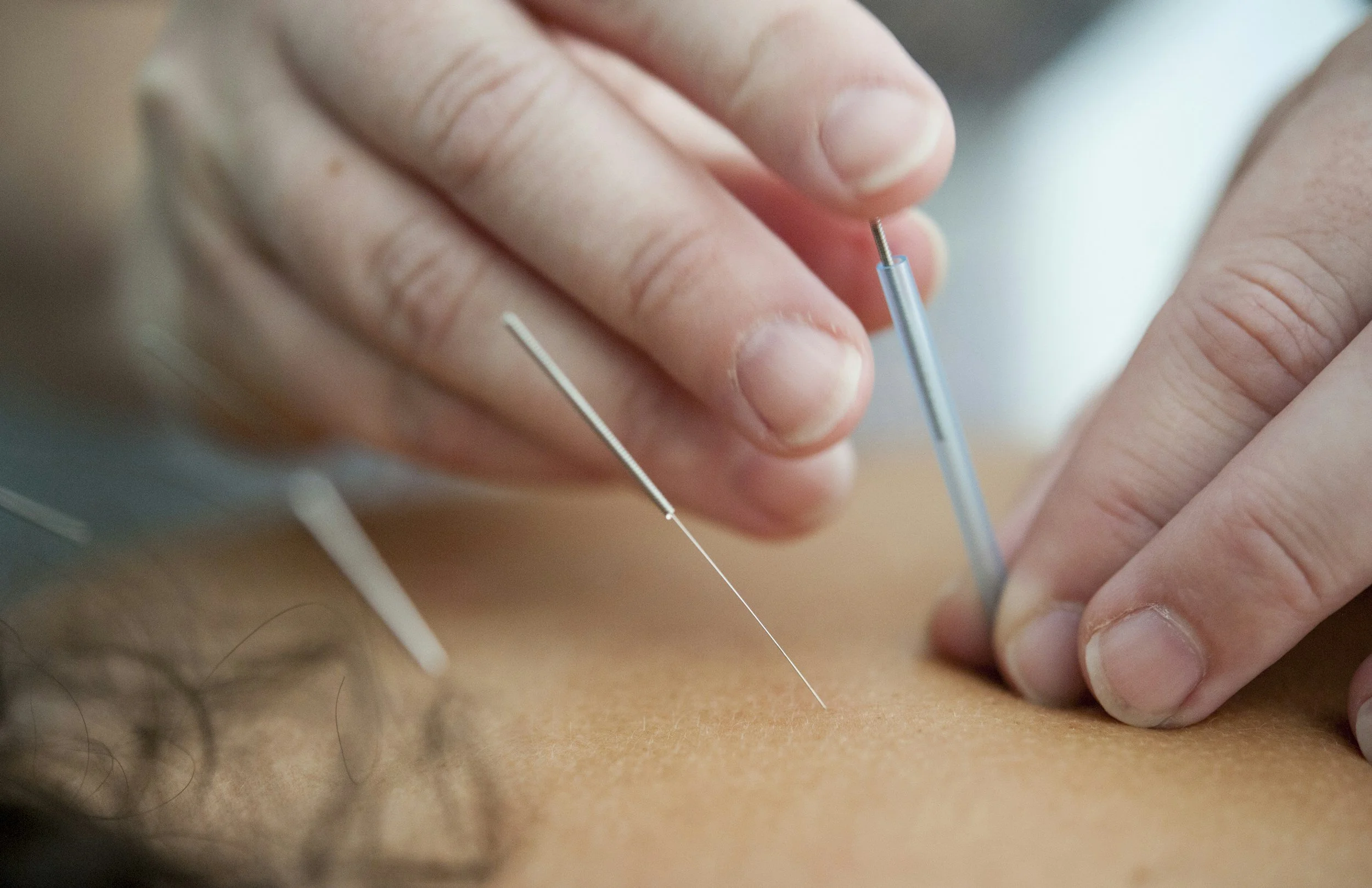
2. Acupuncture
Acupuncture is another tool that many people with endometriosis find helpful for pain management and overall support.
It’s a great way to increase blood flow and circulation to the pelvis and also ease pelvic tension. In the short term it can also help to stimulate release of endorphins that can reduce pain and calm the nervous system.
3. Craniosacral Therapy
This is great gentle practice for people who feel like their nervous system is constantly “on.”
Craniosacral therapy is a very gentle hands-on therapy that focuses on the head, spine, and sacrum. Helping to promote deep relaxation and increasing body awareness.
This can be particularly helpful because living with chronic pain can keep the nervous system in a heightened state of protection.
Sometimes creating more opportunities for your body to experience safety, relaxation, and rest is an important part of the bigger picture.
4. Red Light Therapy
Red and near-infrared light therapy has become increasingly popular for supporting inflammation, tissue health, and recovery.
Another great tool for increasing blood flow and circulation while also having beneficial effects on cellular energy and inflammatory pathways.
10-15 minute sessions daily can be very therapeutic.
5. Choose Lower Tox Where It Feels Doable
I want to keep it practical, because it can definitely feel overwhelming to tackle this, especially if you are new to endocrine disrupting chemicals.
You don't need to throw away everything in your house and replace it overnight.
But if you're living with a chronic inflammatory condition like endometriosis, I do think it's reasonable to look at your overall environmental exposure load and make lower tox swaps where they're easy and realistic.
Start with the things you use every day:
Personal care products
Fragrance
Cleaning products
Plastics that come into contact with food
Nonstick cookware
Candles and air fresheners
Many chemicals found in our environment can interact with hormone signaling, which is one reason reducing unnecessary exposure can be a reasonable piece of a broader whole body approach.
If you're navigating endometriosis and want support connecting the dots between your symptoms, nutrition, gut health, hormones, and whole body health, our 1:1 Functional C.A.R.E Method™ takes a personalized, root cause approach to your care.